7 Essential Trauma Recovery Steps for Expats in Madrid

Recovering from trauma as an expat in Madrid can feel overwhelming when you are far from familiar support networks and navigating a different culture. The emotional ups and downs, language barriers, and sense of isolation often make healing seem even harder to approach. Finding the right guidance is crucial when you want to move beyond survival and begin feeling at home in your own life again.
The good news is that there are clear, actionable steps you can take to support your healing journey while abroad. By focusing on strategies backed by compassionate care, cultural sensitivity, and mindful self-care, you can reclaim a sense of stability and connection.
In the upcoming list, you will discover practical ways to recognize your trauma, access culturally aware support, and incorporate daily routines that make true progress possible. Each point is designed to help you turn confusion into confidence and loneliness into belonging as you heal.
Table of Contents
Quick Summary
Takeaway | Explanation |
1. Acknowledge Your Trauma | Recognizing and accepting your trauma is crucial for healing, particularly for expats dealing with unique challenges in a foreign country. |
2. Find Culturally Sensitive Support | Seek therapists who understand both your emotional needs and cultural background to facilitate a more effective healing process. |
3. Establish Daily Self-Care Routines | Consistent self-care routines can help rebuild emotional stability and resilience in your healing journey. |
4. Practice Mindfulness Techniques | Mindfulness can help manage stress and improve emotional regulation, contributing to a smoother trauma recovery. |
5. Rebuild Social Connections | Cultivating social support networks is essential for overcoming isolation and enhancing emotional healing during the recovery process. |
1. Recognize and Accept Your Trauma Experience
Recognizing and accepting your trauma experience is the foundational first step in healing for expats navigating emotional challenges in Madrid. This critical phase involves acknowledging what happened to you without judgment or minimization.
Trauma impacts individuals differently especially when experiencing it in a foreign country. For expats, this process can feel particularly complex due to cultural disconnection and potential language barriers. Psychological flexibility becomes crucial in moving through trauma recovery.
Key aspects of trauma recognition include:
Understanding that your experience is valid
Acknowledging emotional and physical impacts
Releasing self-blame and shame
Separating the traumatic event from your self-worth
Acceptance does not mean condoning what happened. Instead it means:
Recognizing the trauma as part of your story
Allowing yourself to feel associated emotions
Creating space for healing without judgment
Trauma recovery begins the moment you compassionately witness your own experience without trying to change or erase it.
Many expats struggle with feeling isolated in their trauma recovery. Remember that seeking professional support can transform your healing journey.
Pro tip: Create a personal narrative journal documenting your trauma recovery journey with kindness and without self-criticism.
2. Reach Out for Culturally Sensitive Support
Connecting with the right therapeutic support can transform your trauma recovery journey as an expat in Madrid. When healing from trauma far from home, finding a therapist who understands both your emotional experience and cultural context becomes paramount.
Multilingual therapy services offer expats specialized mental health support that bridges cultural gaps and communication barriers. These professionals recognize the unique challenges international residents face when processing traumatic experiences in a foreign environment.
Key considerations for finding culturally sensitive support include:
Therapists fluent in multiple languages
Understanding of cross-cultural psychological dynamics
Experience working with international populations
Flexibility in therapeutic approaches
Trauma-informed care principles
When selecting a therapist, look for these important qualities:
Demonstrated expertise with expatriate mental health
Ability to communicate in your native language
Proven track record of trauma recovery support
Genuine cultural competence and empathy
Cultural sensitivity transforms therapy from a clinical interaction into a deeply healing human connection.
Expats often struggle with feelings of isolation and misunderstanding. Seeking support that acknowledges your unique background can significantly accelerate emotional healing.
Pro tip: Schedule initial consultations with multiple therapists to find the most comfortable and culturally aligned therapeutic relationship.
3. Practice Daily Self-Care Routines for Stability
Trauma recovery requires intentional daily practices that ground your emotional experience and rebuild a sense of safety. For expats in Madrid navigating complex healing journeys, establishing consistent self-care routines becomes a powerful strategy for emotional resilience.
Structured morning and evening practices can transform how your nervous system processes and responds to stress. These intentional routines help recalibrate your body’s trauma response and create predictable moments of calm.
Essential self-care dimensions include:
Physical restoration
Emotional regulation
Mental reset
Social connection
Spiritual nourishment
Key daily self-care practices for expats:
Morning breathwork and meditation
Consistent sleep schedule
Gentle movement or stretching
Journaling emotional experiences
Nutritious meal planning
Stability emerges not from perfection but from consistent compassionate attention to your holistic well-being.
Remember that self-care looks different for everyone. Experiment with routines that resonate with your personal healing journey and cultural context.
Pro tip: Create a flexible self-care checklist that adapts to your daily energy levels and emotional capacity.
4. Use Mindfulness Techniques to Manage Stress
Mindfulness represents a powerful pathway for expats healing from trauma in Madrid. These intentional practices help rewire your brain’s stress response and create emotional space for recovery.
Mindfulness-Based Interventions provide targeted strategies for managing complex emotional landscapes triggered by trauma. By cultivating present moment awareness expats can interrupt cyclical stress patterns and develop healthier emotional regulation.
Benefits of mindfulness for trauma recovery include:
Reduced anxiety and hypervigilance
Enhanced emotional resilience
Improved nervous system regulation
Increased self-compassion
Greater psychological flexibility
Practical mindfulness techniques for expats:
Daily breathing meditation
Body scan relaxation practice
Grounding sensory awareness exercises
Loving-kindness meditation
Mindful journaling
Mindfulness is not about perfection but about returning gently to the present moment.
Remember that mindfulness is a skill. Start with short practices and gradually build consistency. Your nervous system will thank you.
Pro tip: Begin with just five minutes of daily mindfulness practice and slowly increase duration as you build comfort and confidence.
5. Engage in Safe Expressive Therapies
Expressive therapies offer expats in Madrid a powerful pathway to healing trauma through creative and nonverbal communication. These innovative approaches provide safe alternatives for processing complex emotional experiences that words alone cannot capture.
Expressive arts therapy supports trauma healing by engaging multiple sensory and emotional channels beyond traditional talk therapy. This approach allows individuals to explore and express traumatic memories through creative mediums that feel less threatening.
Benefits of expressive therapies include:
Reduced emotional overwhelm
Enhanced emotional processing
Increased self-understanding
Improved emotional regulation
Decreased trauma-related anxiety
Types of expressive therapy for trauma recovery:
Art therapy
Music therapy
Dance and movement therapy
Drama therapy
Narrative storytelling
Healing happens when we give voice to our experiences through channels beyond words.
The goal is not artistic perfection but emotional exploration and release. Each creative modality offers a unique pathway to understanding and integrating traumatic experiences.
Pro tip: Choose an expressive therapy that feels intuitively comfortable and resonant with your personal healing journey.
6. Rebuild Social Connections and Support Networks
Rebuilding social connections is a critical healing strategy for expats recovering from trauma in Madrid. Trauma can profoundly disrupt trust and communication skills making social reconnection both challenging and essential.
Support networks are vital in overcoming trauma by providing emotional validation and practical guidance. For expats navigating complex emotional landscapes these connections become lifelines of healing and resilience.
Benefits of rebuilding social support include:
Reduced feelings of isolation
Enhanced emotional validation
Increased psychological resilience
Improved trust and communication skills
Expanded emotional support resources
Strategies for rebuilding social connections:
Join expat support groups
Attend community language exchanges
Participate in therapy group sessions
Cultivate meaningful online connections
Engage in shared interest activities
Healing happens in connection. Your social network is not just a support system but a pathway to restoration.
Remember that rebuilding connections is a gradual process. Be patient and compassionate with yourself as you navigate this journey.
Pro tip: Start with low-pressure social interactions and gradually expand your comfort zone as you rebuild trust and confidence.
7. Create a Personal Growth Plan for Moving Forward
Trauma recovery is not just about healing past wounds but intentionally designing a future filled with resilience and purpose. A personal growth plan transforms your healing journey from reactive survival to proactive transformation.
Personal growth plans help individuals evolve by creating structured pathways for intentional development. This strategic approach empowers expats to turn traumatic experiences into opportunities for profound personal transformation.
Key components of an effective personal growth plan:
Clear personal values identification
Specific and measurable goals
Realistic and achievable milestones
Regular self-reflection practices
Flexible adaptation strategies
Steps to develop your personal growth plan:
Conduct a comprehensive self-assessment
Define core personal values
Set SMART recovery goals
Create actionable quarterly objectives
Establish accountability mechanisms
Schedule regular progress reviews
Your personal growth plan is a living document that evolves as you heal and discover your authentic self.
Remember that growth is not linear. Compassion and patience with yourself are essential throughout this journey.
Pro tip: Design your personal growth plan with 70% structured goals and 30% flexibility to accommodate unexpected emotional discoveries and healing insights.
Below is a comprehensive table summarizing the main strategies and concepts discussed throughout the article regarding trauma recovery for expats in Madrid.
Topic | Description | Key Actions |
Recognizing and Accepting Trauma | Acknowledge and accept traumatic experiences without judgment. | Embrace emotions, release self-blame, and create space for healing. |
Culturally Sensitive Support | Seek therapists with expertise in expat mental health and cultural competence. | Consult multilingual professionals; prioritize trauma-informed care. |
Daily Self-Care Routines | Establish structured habits for emotional stability. | Practice meditation, maintain sleep hygiene, and connect socially. |
Mindfulness Techniques | Use mindful practices to alleviate stress and enhance resilience. | Begin with breathing exercises and body scans; incrementally increase practice time. |
Expressive Therapies | Engage in creative arts for emotional exploration. | Participate in art, music, or movement therapy—focus on emotional release over perfection. |
Social Connection | Build supportive relationships to combat isolation. | Join expat groups, attend language exchanges, and form meaningful connections. |
Personal Growth Plan | Plan for future resilience and self-empowerment. | Define goals, self-reflect regularly, and adapt strategies as needed. |
Empower Your Trauma Recovery Journey with Expert Support in Madrid
Experiencing trauma as an expat in Madrid can feel overwhelming due to cultural differences and emotional isolation. This article highlights crucial steps like recognizing your trauma, accessing culturally sensitive therapy, and practicing mindful self-care. At Heske Therapy, we understand these challenges deeply. Our specialized psychotherapy services combine Rapid Transformational Therapy, EMDR, and CBT to offer compassionate and effective trauma recovery tailored specifically for English-speaking expatriates.
Take control of your healing today by working with a therapist who respects your unique story and cultural background. Our personalized treatment plans focus on rapid and lasting results designed to rebuild your emotional resilience and restore peace of mind. Don’t face your trauma alone when professional, multilingual support is just a click away.
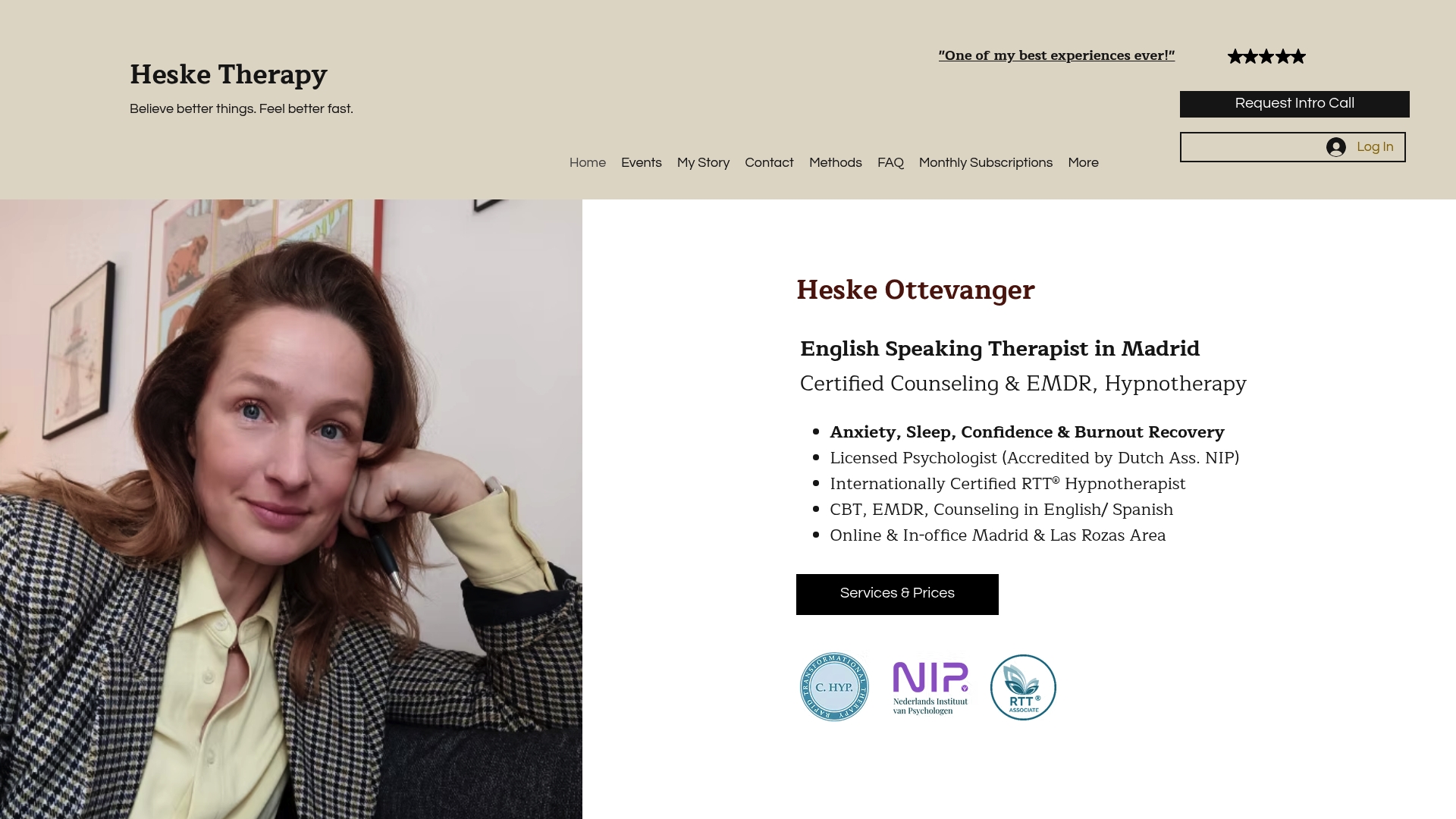
Discover how Heske Therapy can guide your journey through trauma recovery with proven methods and culturally sensitive care at Heske Therapy. Schedule your free discovery call now and begin moving forward with confidence and hope.
Frequently Asked Questions
How can I recognize and accept my trauma experience as an expat in Madrid?
Recognizing and accepting your trauma experience involves acknowledging what happened to you without judgment. Start by documenting your feelings and experiences in a personal journal to help you process your emotions and validate your journey.
What types of culturally sensitive therapy should I look for in Madrid?
When searching for culturally sensitive therapy, seek professionals who understand expatriate mental health and are fluent in your native language. Schedule initial consultations with potential therapists to assess their cultural competence and flexibility in therapeutic approaches.
What daily self-care practices can support my trauma recovery in Madrid?
Incorporate daily self-care routines such as morning meditation, consistent sleep schedules, and gentle movement exercises. Aim to engage in at least one self-care practice each day to promote emotional stability and resilience.
How can I use mindfulness techniques to manage stress during recovery?
Practice mindfulness by dedicating a few minutes each day to mindful breathing or grounding exercises. Start with just five minutes of mindfulness practice to help calm your nervous system and progressively increase the duration as you become more comfortable.
What expressive therapies are beneficial for trauma recovery?
Consider engaging in therapies like art, music, or dance therapy, which allow for emotional expression through creative mediums. Choose an expressive therapy that resonates with you to facilitate deeper emotional exploration and healing.
How do I rebuild social connections while recovering from trauma?
Rebuilding social connections can involve joining support groups, attending community events, or participating in shared interest activities. Begin with low-pressure social interactions and gradually expand your network to foster trust and support during your healing process.
Recommended
Comments