Combining Therapy Methods for Faster Recovery

Feeling overwhelmed by anxiety or burnout in Madrid can leave even the most resilient professionals searching for answers that actually work. For many English-speaking expatriates, traditional therapy alone may not address the full scope of complex emotional challenges. Combining therapy methods creates a more flexible and personalized path to mental wellness, offering innovative solutions that adapt to your unique experiences as an expatriate. Discover how integrative approaches can help you move beyond one-size-fits-all treatment for real and lasting change.
Table of Contents
Key Takeaways
Point | Details |
Combining Therapy Methods | Integrative therapy combines various approaches to create personalized mental health treatment that adapts to individual complexities. |
Key Benefits | This approach enhances patient engagement, promotes holistic healing, and respects cultural sensitivities, particularly for expatriates. |
Personalized Treatment | Comprehensive assessments allow therapists to tailor interventions to individual needs, improving treatment effectiveness and outcomes. |
Risks and Mitigation | Awareness of potential risks in integrative methods is crucial; patients should ensure transparency and clarity in treatment plans. |
What Combining Therapy Methods Means
In the complex world of mental health treatment, combining therapy methods represents an innovative approach that goes beyond traditional single-modality interventions. Integrative therapy strategies synthesize diverse psychological techniques to create more comprehensive and personalized healing experiences, particularly beneficial for expatriates navigating complex emotional landscapes.
The core principle of combining therapy methods involves leveraging multiple therapeutic approaches to address the multifaceted nature of mental health challenges. This approach recognizes that no single therapeutic technique can effectively treat every aspect of an individual’s psychological experience. By strategically blending different methodologies, therapists can develop more nuanced and adaptive treatment plans.
Key strategies in combining therapy methods include:
Technical Eclecticism: Selecting specific techniques from different therapeutic models that best suit a client’s unique needs
Theoretical Integration: Developing a comprehensive framework that incorporates multiple psychological theories and perspectives
Complementary Interventions: Using techniques that enhance and support each other, creating a synergistic healing experience
Multidisciplinary healthcare approaches emphasize the importance of flexibility and personalization in mental health treatment. For expatriates experiencing complex emotional challenges, this means a therapy strategy that can adapt to their unique cultural, professional, and personal contexts.
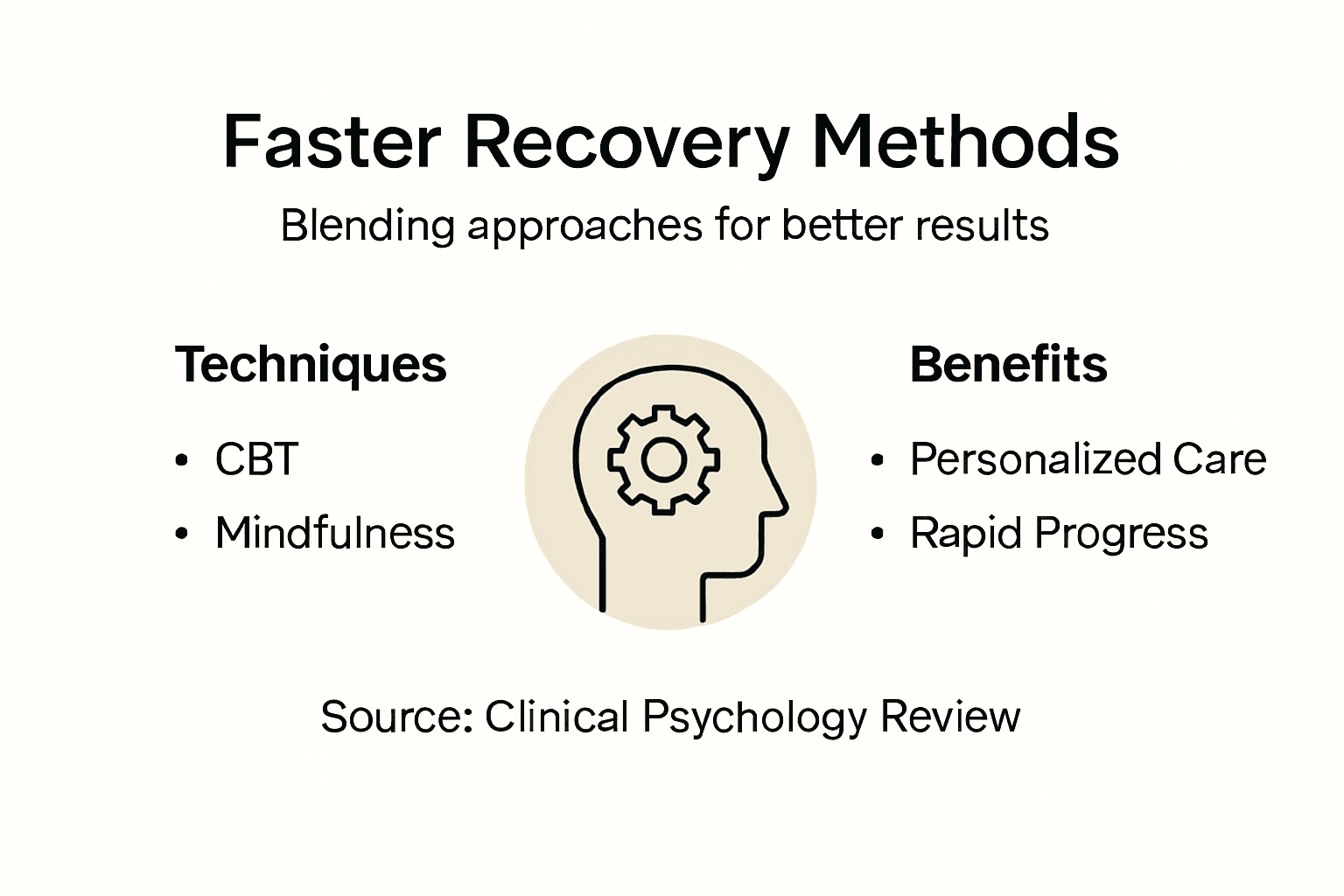
Here is a comparison of therapy combination strategies and their typical applications:
Approach Type | Description | Ideal Use Case |
Technical Eclecticism | Selects individual techniques from different models | Clients with varied symptoms |
Theoretical Integration | Merges multiple psychological frameworks | Complex, multi-layer cases |
Complementary Interventions | Uses mutually reinforcing techniques | Holistic wellness strategies |
Pro tip: When seeking therapy, ask potential practitioners about their experience in combining multiple therapeutic methods and how they customize treatment approaches to individual needs.
Key Benefits of Integrative Approaches
Integrative therapy approaches offer a transformative strategy for mental health treatment, particularly for expatriates seeking comprehensive healing. Psychotherapy integration research demonstrates significant advantages in personalizing treatment beyond traditional diagnostic frameworks, addressing the complex emotional needs of individuals navigating cross-cultural experiences.
The key benefits of integrative approaches extend far beyond conventional single-method treatments. By combining multiple therapeutic techniques, practitioners can create more dynamic and responsive healing strategies that adapt to each client’s unique psychological landscape. This approach recognizes that mental health is multifaceted, requiring flexible and nuanced interventions.
Primary benefits of integrative therapy include:
Personalized Treatment: Tailoring therapeutic techniques to individual psychological profiles
Reduced Treatment Dropout: Increasing patient engagement through more adaptive approaches
Holistic Healing: Addressing psychological challenges from multiple therapeutic perspectives
Cultural Sensitivity: Developing strategies that respect individual cultural backgrounds
Multidisciplinary healthcare strategies highlight how integrative approaches can significantly improve treatment outcomes by reducing clinical limitations and enhancing the therapeutic relationship. For expatriates experiencing complex emotional challenges, this means a more nuanced and comprehensive approach to mental wellness.
Pro tip: Request a detailed consultation that explores how multiple therapeutic methods might be combined to address your specific mental health goals and personal context.
How Different Therapy Methods Work Together
Understanding how different therapy methods collaborate requires a sophisticated approach to mental health treatment. Integrative psychotherapy techniques enable therapists to create comprehensive healing strategies that address complex psychological challenges through a flexible, multitheoretical framework.

The process of combining therapy methods begins with a thorough assessment of the client’s unique psychological landscape. Therapists carefully select and integrate techniques from various therapeutic models, creating a customized approach that addresses multiple dimensions of mental health. This dynamic method allows for more nuanced and responsive treatment strategies that can adapt to changing client needs.
Key strategies for integrating therapy methods include:
Comprehensive Assessment: Evaluating client’s psychological, emotional, and cultural background
Technique Selection: Choosing complementary therapeutic approaches
Dynamic Intervention: Continuously adjusting treatment methods
Holistic Perspective: Addressing psychological challenges from multiple angles
Tailoring therapeutic interventions involves combining various tools such as:
Somatic techniques
Cognitive behavioral strategies
Experiential approaches
Mindfulness-based interventions
By integrating these diverse methods, therapists can create a more powerful and effective treatment approach that responds to the unique needs of each individual, particularly expatriates navigating complex emotional experiences.
Pro tip: Request a personalized therapy consultation that explores how multiple therapeutic methods can be specifically tailored to your individual mental health journey.
Personalizing Treatment for Better Results
Personalized mental health treatment represents a revolutionary approach to psychological healing, particularly for expatriates navigating complex emotional landscapes. Personalized psychological interventions demonstrate significantly improved outcomes by tailoring therapeutic strategies to individual characteristics, moving beyond standardized treatment models.
The foundation of personalized treatment lies in comprehensive individual assessment. Therapists collect detailed information about a client’s psychological profile, cultural background, personal history, and specific challenges. This nuanced approach allows for creating a custom therapeutic roadmap that addresses unique emotional and psychological needs with precision and sensitivity.
Key components of personalized mental health treatment include:
Comprehensive Personal Evaluation: In-depth analysis of psychological, emotional, and environmental factors
Adaptive Treatment Strategies: Flexible approaches that evolve with client progress
Cultural Context Consideration: Recognizing individual cultural experiences and their psychological impact
Targeted Intervention Selection: Choosing specific therapeutic techniques matching client needs
Precision mental health care integrates advanced computational methods to enhance treatment effectiveness. By combining biological, clinical, and environmental data, therapists can develop highly targeted interventions that address patient heterogeneity with unprecedented accuracy.
Pro tip: During your initial consultation, provide comprehensive personal history and be open about your unique experiences to help your therapist design the most effective personalized treatment approach.
Practical Examples and Real-World Outcomes
Real-world application of integrative therapy methods demonstrates remarkable effectiveness in addressing complex mental health challenges. Complementary health therapies provide concrete evidence of transformative outcomes, particularly for expatriates experiencing multiple layers of psychological stress.
In practical settings, integrative therapy approaches have shown significant improvements across various mental health conditions. Therapists combine techniques like cognitive behavioral therapy, EMDR, hypnotherapy, and mindfulness practices to create comprehensive treatment plans that address the unique needs of each individual. The synergy between different therapeutic methods allows for more nuanced and targeted interventions.
Practical examples of successful integrative therapy outcomes include:
Anxiety Management: Reducing symptoms through combined cognitive and somatic techniques
Trauma Recovery: Utilizing EMDR with hypnotherapy for deeper emotional processing
Stress Reduction: Integrating mindfulness practices with cognitive restructuring
Cultural Adaptation: Addressing expatriate-specific emotional challenges through multifaceted approaches
Interdisciplinary healthcare programs demonstrate significant improvements in quality of life and symptom reduction. For expatriates facing complex emotional challenges, this means a more holistic and effective approach to mental wellness that goes beyond traditional single-method treatments.
Below is a summary of real-world mental health improvements observed with integrative therapy for expatriates:
Outcome Area | Common Methods Combined | Typical Improvements |
Anxiety Management | Somatic + cognitive behavioral therapy | Shorter recovery, less relapse |
Trauma Recovery | EMDR + hypnotherapy | Deeper, sustained emotional relief |
Cultural Adaptation | Mindfulness + experiential techniques | Better adjustment, less distress |
Pro tip: Keep a detailed journal of your emotional experiences and treatment progress to help your therapist refine and personalize your integrative therapy approach.
Potential Risks and How to Avoid Them
Integrative therapy offers tremendous benefits, but understanding potential risks is crucial for responsible mental health treatment. Integrative medicine challenges reveal important considerations that expatriates and therapists must carefully navigate to ensure safe and effective psychological care.
The primary risks in combining therapeutic methods stem from variability in practitioner expertise, potential therapeutic interactions, and the complexity of managing multiple treatment approaches simultaneously. Experienced therapists mitigate these risks through careful assessment, transparent communication, and a systematic approach to treatment integration.
Key potential risks and mitigation strategies include:
Practitioner Qualification: Verify therapist credentials and specialized training
Treatment Interaction: Carefully monitor potential conflicts between therapeutic techniques
Consent and Transparency: Ensure clear understanding of integrated treatment plan
Cost Management: Understand potential financial implications of comprehensive treatment
Ethical considerations in complementary medicine emphasize the importance of maintaining therapeutic boundaries, ensuring patient autonomy, and prioritizing evidence-based practices. For expatriates seeking mental health support, this means asking critical questions and actively participating in treatment design.
Pro tip: Request a detailed treatment plan that clearly outlines each therapeutic method, its purpose, and potential interactions before beginning an integrated therapy approach.
Experience Faster Recovery with Personalized Integrative Therapy
Combining therapy methods offers a powerful solution for those struggling with anxiety, burnout, trauma, or stress-related conditions as discussed in the article. Key challenges like emotional blocks, cultural adaptation, and complex psychological needs require a tailored approach that blends proven techniques such as Rapid Transformational Therapy, EMDR, CBT, and hypnotherapy. At Heske Therapy, we specialize in creating personalized treatment plans that adapt dynamically to your unique journey as an expatriate or international client living in Madrid.
Our approach addresses not only immediate symptoms but also deep-rooted emotional patterns to promote rapid and lasting results. By leveraging technical eclecticism and complementary interventions, we ensure your therapy is culturally sensitive and responsive to your evolving needs. Discover how you can benefit from a compassionate, expert team dedicated to faster recovery and holistic well-being.
Seeking integrative mental health care that truly fits your life and goals is easier than ever. Start your healing process today with a free discovery call at Heske Therapy and learn how combining multiple therapeutic methods can accelerate your recovery. For more insight into our specialized methods, visit our approach to therapy.
Don’t wait to take control of your mental health journey. Contact us now at Heske Therapy and experience the benefits of personalized integrative therapy designed for faster recovery and lasting transformation.
Frequently Asked Questions
What are the benefits of combining therapy methods?
Combining therapy methods offers personalized treatment, holistic healing from multiple perspectives, and greater flexibility to adapt to individual client needs. This approach can also reduce treatment dropout rates by engaging patients more effectively.
How do therapists select techniques for integrative therapy?
Therapists evaluate the client’s psychological landscape and select specific techniques from various therapeutic models, creating a customized approach that addresses multiple angles of mental health.
What are some common approaches used in integrative therapy?
Common approaches include technical eclecticism, theoretical integration, and complementary interventions, which blend techniques from various models to enhance treatment effectiveness and adaptability.
Are there risks associated with combining different therapy methods?
Yes, risks include variability in practitioner expertise, potential therapeutic interactions, and complexity in managing multiple approaches. It’s essential to ensure clear communication, consent, and that therapists have appropriate qualifications.
Recommended
Comments