Rapid Transformational Therapy: Fast-Acting Anxiety Relief

Struggling with anxiety or trauma can feel especially overwhelming for an American living in Madrid. More than 60 percent of expatriates report emotional challenges linked to adapting abroad, yet few find rapid, effective solutions. Rapid Transformational Therapy offers a breakthrough approach for English-speaking professionals seeking results without months of traditional sessions, providing real hope for regaining mental health and balance even far from home.
Table of Contents
Key Takeaways
Point | Details |
Rapid Transformational Therapy (RTT) | RTT is an innovative therapy integrating hypnotherapy, CBT, and NLP to facilitate quick psychological healing. |
Session Structure | An RTT session typically lasts around 90 minutes, combining consultation, exploration, and transformative techniques. |
Benefits vs. Limitations | RTT often achieves rapid results but may not be effective for everyone and lacks extensive scientific validation. |
Therapist Credentials | It’s essential to work with a certified practitioner trained in RTT to ensure effective and safe therapeutic experiences. |
What Is Rapid Transformational Therapy (RTT)?
Rapid Transformational Therapy (RTT) represents an innovative therapeutic approach designed to help individuals rapidly overcome emotional and psychological challenges. Developed by renowned therapist Marisa Peer, RTT combines multiple psychological techniques to create powerful, lasting transformation in a remarkably short time.
At its core, RTT is a hybrid therapeutic method that integrates elements from hypnotherapy, cognitive behavioral therapy (CBT), neuro-linguistic programming (NLP), and psychotherapy. The primary goal is to access the subconscious mind and identify the root causes of limiting beliefs, negative patterns, and emotional blockages. By utilizing advanced neuroplasticity principles, RTT helps individuals reframe and reprogram deep-seated mental narratives that may be preventing personal growth and emotional well-being.
Unlike traditional therapeutic approaches that can require months or years of sessions, RTT promises rapid results often achieved in a single 90-minute intervention. The therapy works by guiding clients into a relaxed, receptive state of hypnosis where they can explore past experiences, understand the origin of their current challenges, and install new, empowering beliefs directly into their subconscious mind. This targeted approach makes RTT particularly effective for addressing issues such as anxiety, depression, low self-esteem, phobias, and addictive behaviors.
Pro Tip: When exploring RTT, ensure you work with a certified practitioner trained specifically in this unique therapeutic approach to maximize potential transformation and healing.
How RTT Combines Hypnotherapy, CBT, NLP
Rapid Transformational Therapy (RTT) represents a groundbreaking therapeutic approach that expertly synthesizes multiple psychological techniques into a powerful, integrated healing method. By combining hypnotherapy, cognitive behavioral therapy (CBT), and neuro-linguistic programming (NLP), RTT creates a comprehensive strategy for addressing complex emotional and psychological challenges.
The integration begins with hypnotherapy, which provides direct access to the subconscious mind, allowing practitioners to explore deep-rooted beliefs and patterns that often drive problematic behaviors. CBT then introduces a structured cognitive framework, helping clients systematically identify and challenge negative thought patterns. NLP complements these approaches by focusing on language and communication strategies that can effectively rewire mental programming. This multi-dimensional therapeutic approach enables practitioners to address psychological issues from multiple angles simultaneously.

Each therapeutic technique contributes a unique dimension to the healing process. Hypnotherapy creates a relaxed, receptive state where subconscious barriers can be accessed. CBT provides practical tools for restructuring thought patterns and developing healthier cognitive responses. NLP offers linguistic techniques to reframe limiting beliefs and install more empowering mental narratives. Together, these methodologies create a synergistic approach that can facilitate rapid, profound personal transformation, making RTT significantly more powerful than traditional single-method therapies.
Pro Tip: When considering RTT, seek a certified practitioner who demonstrates advanced training in integrating hypnotherapy, CBT, and NLP techniques for optimal therapeutic outcomes.
Step-By-Step Process of an RTT Session
A typical Rapid Transformational Therapy (RTT) session follows a structured yet personalized approach designed to quickly uncover and address the root causes of psychological challenges. Exploring therapeutic breakthrough techniques involves a comprehensive process that typically spans approximately 90 minutes, divided into carefully orchestrated stages aimed at facilitating profound psychological transformation.
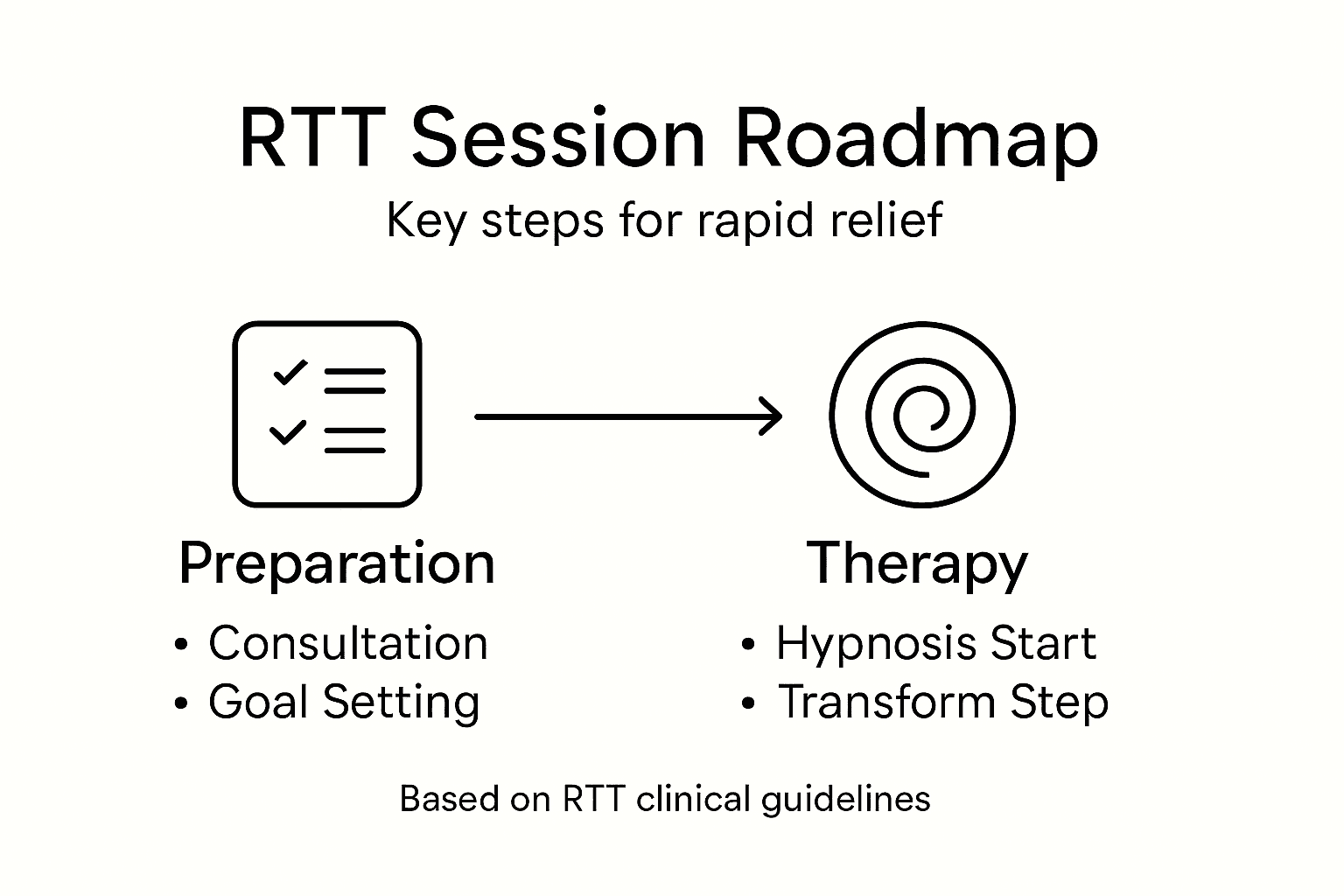
The session begins with an in-depth consultation where the therapist helps the client identify specific emotional or behavioral issues they want to address. During this initial phase, clients are guided into a relaxed, hypnotic state that allows access to the subconscious mind. This trance-like state is not sleep, but a heightened state of awareness where individuals can explore memories, beliefs, and emotional patterns that may be driving their current challenges. The therapist then leads a targeted investigation, helping clients understand the origin of their limiting beliefs and the protective mechanisms their subconscious mind has developed.
Following the exploratory phase, the RTT session transitions into a transformative healing process. Clients are guided to reframe negative beliefs, release old emotional patterns, and install new, empowering narratives directly into their subconscious. This involves a combination of hypnotic suggestions, cognitive reframing, and emotional release techniques. The therapist may use metaphors, direct language, and specialized communication strategies to help clients rewire deeply ingrained thought patterns. Many clients experience significant emotional shifts during this stage, gaining powerful insights into their psychological landscape and developing new, more constructive mental frameworks.
Pro Tip: Prepare for your RTT session by reflecting on your specific goals and being open to exploring unconscious emotional patterns with curiosity and compassion.
Key Benefits and Real-World Applications
Rapid Transformational Therapy (RTT) offers a revolutionary approach to mental health and personal development, providing tangible benefits across multiple life domains. Transformative therapeutic interventions have demonstrated remarkable effectiveness in addressing a wide range of psychological challenges, from anxiety and self-esteem issues to performance-related blockages.
The therapy’s key benefits extend far beyond traditional therapeutic approaches. Clients typically experience rapid and sustainable personal transformation, with many reporting significant improvements in emotional regulation, self-understanding, and overall psychological resilience. RTT is particularly powerful in treating complex psychological conditions such as chronic anxiety, depression, trauma-related disorders, and deeply ingrained negative behavioral patterns. By directly accessing and reprogramming subconscious beliefs, the therapy enables individuals to break free from long-standing emotional limitations and develop more empowering mental frameworks.
Real-world applications of RTT are remarkably diverse, spanning personal, professional, and clinical contexts. Professionals struggling with performance anxiety, creative blocks, or imposter syndrome can leverage RTT to unlock their potential and overcome psychological barriers. Individuals dealing with relationship challenges, recurring negative patterns, or self-sabotaging behaviors find the therapy particularly effective in creating lasting change. Moreover, RTT has shown promising results in addressing specific issues like phobias, addictive behaviors, sleep disorders, and chronic stress, offering a holistic and rapid pathway to psychological healing and personal transformation.
Pro Tip: Consider documenting your emotional journey and personal insights during RTT sessions to reinforce and integrate the transformative changes you experience.
RTT vs. Traditional Therapy Approaches
Rapid Transformational Therapy (RTT) fundamentally challenges conventional therapeutic models by offering a more direct and time-efficient approach to psychological healing. Transformative therapy techniques represent a paradigm shift from traditional methods, emphasizing rapid intervention and subconscious reprogramming instead of prolonged talk-based treatment.
Traditional therapy typically involves months or even years of weekly sessions focused on conscious exploration of thoughts, emotions, and past experiences. In contrast, RTT takes a radically different approach by directly accessing the subconscious mind through hypnotherapy, targeting the root causes of psychological challenges in just 1-3 sessions. While traditional therapy often emphasizes gradual insight and symptom management, RTT aims to identify and transform the fundamental beliefs and emotional patterns driving negative experiences. This targeted approach allows clients to achieve more profound and lasting changes in significantly less time, addressing issues like anxiety, trauma, and self-limiting beliefs with unprecedented efficiency.
The fundamental difference lies in the therapeutic methodology and underlying philosophy. Traditional therapy operates from a model of gradual conscious understanding, encouraging clients to intellectually process their experiences. Innovative therapeutic approaches like RTT, however, leverage advanced techniques such as hypnotherapy, neuro-linguistic programming, and cognitive behavioral strategies to create immediate neurological and emotional shifts. By reprogramming subconscious beliefs directly, RTT enables clients to break free from long-standing patterns more quickly and effectively than traditional counseling methods, offering a more dynamic and results-oriented path to psychological wellness.
Here’s how RTT, traditional therapy, and other common approaches compare:
Approach | Duration to See Results | Focus Area | Techniques Used |
RTT | 1-3 sessions | Subconscious beliefs | Hypnotherapy, CBT, NLP |
Traditional Therapy | Months to years | Conscious exploration | Talk therapy, analysis |
CBT Alone | Several weeks | Thought patterns | Cognitive restructuring |
NLP Alone | Varies | Communication/language | Linguistic strategies |
Pro Tip: Before choosing a therapeutic approach, discuss your specific goals and preferences with a qualified mental health professional to determine the most suitable intervention strategy for your unique needs.
Risks, Limitations, and Common Misconceptions
While Rapid Transformational Therapy (RTT) offers promising results, it is essential to approach this therapeutic method with a nuanced understanding of its potential risks and limitations. Critical evaluation of therapeutic methods reveals important considerations that potential clients should carefully consider before engaging in this treatment.
One significant concern centers on the current lack of extensive scientific research definitively validating RTT’s long-term effectiveness. While numerous anecdotal success stories exist, the mental health community remains cautious about embracing RTT as a comprehensive treatment approach. Potential risks include the possibility of inadequately trained practitioners, particularly given the rapid proliferation of RTT certification programs. Clients with complex trauma histories must be especially careful, as rapid therapeutic interventions could potentially trigger unexpected emotional responses or risk re-traumatization without proper screening and professional support.
Therapeutic myths and misconceptions often paint RTT as a miraculous quick-fix solution, which can create unrealistic expectations. In reality, RTT is a structured therapeutic approach that requires active client participation and commitment. The therapy is not a passive process where healing happens instantaneously, but rather a collaborative journey that demands engagement, openness, and willingness to explore deep-seated emotional patterns. While RTT can produce rapid results for some individuals, it is not universally effective for every person or every psychological condition. Potential clients should maintain realistic expectations and understand that individual responses to therapy can vary significantly.
Below is a summary of major benefits and limitations of Rapid Transformational Therapy:
Aspect | Benefit | Limitation |
Speed | Produces rapid results | May not last for everyone |
Scope | Addresses diverse issues | Not backed by extensive research |
Accessibility | Can be done virtually or in person | Quality varies by practitioner |
Client Experience | Focused and immersive sessions | Not suitable for all conditions |
Pro Tip: Always verify a practitioner’s credentials, training, and experience before beginning any specialized therapeutic intervention, and maintain open communication about your comfort level and treatment progress.
Experience Fast-Acting Anxiety Relief with Expert RTT and Integrative Therapy
If you are struggling with anxiety that feels overwhelming or persistent, Rapid Transformational Therapy offers a proven path to uncover and reprogram the subconscious beliefs holding you back. At Heske Therapy in Madrid, we specialize in combining RTT with proven techniques like cognitive behavioral therapy and hypnotherapy to deliver fast, lasting relief tailored specifically for English-speaking expatriates and international clients. This personalized approach addresses emotional blocks, burnout, and stress that often accompany anxiety.
Why continue to face anxiety alone when lasting transformation is within reach?
Discover how targeted RTT interventions can free you from deep-rooted fears and negative thought patterns in just a few sessions. Begin your journey with a free discovery call and receive a customized treatment plan designed around your unique experiences and goals. Act now to reclaim emotional balance and well-being by visiting Heske Therapy and exploring how our expert team supports rapid anxiety relief with compassionate, multicultural care. Learn more about our Rapid Transformational Therapy services and the integrative methods that set us apart.
Frequently Asked Questions
What is Rapid Transformational Therapy (RTT)?
Rapid Transformational Therapy (RTT) is an innovative therapeutic approach that combines hypnotherapy, cognitive behavioral therapy (CBT), neuro-linguistic programming (NLP), and psychotherapy to help individuals quickly overcome emotional and psychological challenges.
How quickly can I expect results from RTT?
RTT typically produces rapid results, often achieved in just one to three sessions, compared to traditional therapies that may require months or years.
What types of issues can RTT help address?
RTT is effective in addressing a wide range of issues, including anxiety, depression, low self-esteem, phobias, and addictive behaviors, by accessing and reprogramming limiting beliefs in the subconscious mind.
Is RTT suitable for everyone?
While RTT can be beneficial for many, it may not be suitable for individuals with complex trauma histories or those who require more gradual, traditional therapeutic approaches. It’s important to consult with a certified practitioner to discuss individual needs.
Recommended
Comments