7 Types of Psychotherapy for Expats Facing Anxiety

Adjusting to life in a new country can bring unexpected waves of anxiety and emotional stress. Being far from familiar support systems often leaves expats searching for practical ways to manage their mental health. If you find yourself overwhelmed by cultural changes, loneliness, or ongoing uncertainty, effective solutions exist to help you take control.
This guide brings together interventions that are recognized worldwide for their ability to address anxiety and emotional challenges. From scientifically supported therapies like Cognitive Behavioral Therapy and EMDR to innovative approaches such as Rapid Transformational Therapy, you will find options that are proven to make a real difference. Get ready to discover practical strategies that can support your well-being as you navigate the unique journey of international living.
Table of Contents
Quick Summary
Takeaway | Explanation |
1. Utilize CBT to manage anxiety | Cognitive Behavioral Therapy helps expats identify and challenge negative thought patterns, fostering emotional resilience in challenging environments. |
2. Consider EMDR for quick trauma relief | Eye Movement Desensitization and Reprocessing can rapidly address trauma and anxiety, providing transformative emotional recovery without extensive verbal processing. |
3. Explore RTT for rapid breakthroughs | Rapid Transformational Therapy offers fast emotional healing by targeting subconscious issues, allowing expats to overcome complex challenges efficiently. |
4. Engage in Counseling for personalized support | Professional counseling provides tailored strategies for navigating emotional challenges, cultural adaptation, and personal growth during expatriate living. |
5. Choose flexible therapy options to suit needs | Flexible access to therapy, both online and in-office, ensures expats receive consistent mental health support that fits their lifestyle and preferences. |
1. Cognitive Behavioral Therapy: Changing Negative Patterns
Cognitive Behavioral Therapy (CBT) provides expats a powerful approach to managing anxiety by systematically transforming negative thought patterns and behaviors. Unlike traditional talk therapy, CBT focuses on practical strategies that help individuals recognize and modify destructive mental habits that fuel emotional distress.
At its core, CBT operates on a fundamental principle: our thoughts directly influence our emotions and actions. When living abroad, expats often experience unique psychological challenges that can trigger anxiety, such as cultural isolation, professional uncertainties, and communication barriers. Evidence-based interventions targeting cognitive patterns demonstrate remarkable effectiveness in helping individuals develop emotional resilience.
Key components of CBT for expats include:
Identifying negative thought patterns specific to international living
Challenging irrational beliefs about adaptation and success
Developing realistic cognitive reframing techniques
Learning practical emotional regulation strategies
Creating personalized coping mechanisms for stress management
The therapy works by teaching individuals to interrupt automatic negative thoughts and replace them with more balanced, constructive perspectives. For example, transforming a thought like “I don’t belong here” to “I am learning and growing in a new environment” can significantly reduce anxiety and improve psychological well-being.
CBT empowers expats to become active participants in managing their mental health, turning challenging experiences into opportunities for personal growth.
By consistently practicing CBT techniques, expats can build psychological flexibility and develop more adaptive responses to cross-cultural challenges. Systematic reviews confirm CBT’s global effectiveness in addressing anxiety symptoms across diverse populations.
Pro tip: Keep a thought journal to track and challenge negative cognitive patterns, helping you systematically transform your mental approach to expatriate experiences.
2. EMDR: Rapid Relief from Trauma and Anxiety
Eye Movement Desensitization and Reprocessing (EMDR) offers expats a groundbreaking therapeutic approach for rapidly addressing trauma and anxiety in international living contexts. Recognized globally for transformative healing, this innovative therapy provides a unique pathway to emotional recovery that goes beyond traditional talk therapy.
Developed by psychologist Francine Shapiro, EMDR works by helping the brain process traumatic memories through bilateral sensory stimulation. During sessions, patients recall distressing experiences while simultaneously experiencing rhythmic eye movements or other forms of bilateral stimulation, which helps the brain reframe and integrate traumatic memories more adaptively.
Key benefits of EMDR for expats include:
Rapid reduction of anxiety symptoms
Efficient processing of cross-cultural transition traumas
Minimal verbal processing requirements
No need for extensive detailed narrative discussions
Quick emotional relief compared to traditional therapies
The therapy is particularly effective for expats experiencing:
Cultural shock and adaptation challenges
Professional displacement anxiety
Relationship and communication stress
Isolation and loneliness
Unresolved past traumas resurfacing during international transitions
EMDR provides a scientifically validated method for expats to quickly transform traumatic experiences into opportunities for personal resilience and growth.
Global research confirms EMDR’s effectiveness across diverse populations, making it an excellent option for internationally mobile individuals seeking rapid, evidence-based emotional healing.
Pro tip: During EMDR sessions, remain open and patient with yourself, understanding that healing is a process and each bilateral stimulation helps your brain naturally reorganize traumatic memories.
3. Rapid Transformational Therapy: Quick Breakthroughs
Rapid Transformational Therapy (RTT) represents a cutting-edge therapeutic approach designed to deliver fast emotional healing for expats struggling with complex psychological challenges. Innovative therapy techniques offer transformative solutions that go beyond traditional long-term counseling methods.
Unlike conventional therapies that may require months or years of treatment, RTT focuses on achieving rapid psychological breakthroughs by directly accessing and reprogramming the subconscious mind. This approach combines elements of hypnotherapy, cognitive behavioral therapy, and neurolinguistic programming to create profound and lasting emotional changes.
Key features of RTT for expats include:
One-session potential for significant emotional transformation
Direct targeting of root psychological issues
Minimal time investment compared to traditional therapies
Personalized subconscious reframing techniques
Neuroplasticity-based healing approach
Expats can benefit from RTT in addressing various challenges such as:
Cultural adaptation anxiety
Professional performance blocks
Relationship communication barriers
Self-confidence issues
Unresolved emotional traumas
RTT empowers individuals to rewrite their internal narratives and unlock their full potential through rapid, targeted psychological intervention.
Research demonstrates RTT’s effectiveness in providing quick, sustainable emotional healing across diverse populations, making it an ideal solution for internationally mobile professionals seeking efficient therapeutic support.
Pro tip: Approach RTT with an open mind and willingness to engage deeply, understanding that your subconscious holds the key to transformative personal change.
4. Hypnotherapy: Unlocking Subconscious Barriers
Hypnotherapy offers expats a powerful therapeutic approach to addressing deep-seated anxiety and emotional blocks by accessing the subconscious mind. Clinical interventions demonstrate remarkable potential for transforming psychological patterns that traditionally resist conventional treatment methods.
Unlike traditional talk therapies, hypnotherapy works by guiding individuals into a relaxed, focused state where subconscious mental barriers become more accessible and malleable. This unique approach allows expats to explore and reprogram underlying emotional patterns that contribute to anxiety, stress, and adaptation challenges in international living contexts.
Key benefits of hypnotherapy for expats include:
Rapid identification of root emotional issues
Minimally invasive psychological intervention
Quick modification of limiting belief systems
Enhanced stress management capabilities
Improved emotional resilience
The therapeutic process typically involves:
Establishing a comfortable, safe mental state
Accessing deeper subconscious layers
Introducing positive, transformative suggestions
Reinforcing new emotional responses
Integrating lasting psychological changes
Hypnotherapy empowers individuals to rewrite their internal narratives and unlock their innate potential for emotional healing.
Psychological research supports hypnotherapy’s effectiveness in managing stress, behavioral modification, and enhancing overall psychological well-being across diverse populations.
Pro tip: Approach hypnotherapy with curiosity and openness, understanding that your subconscious mind holds the most powerful keys to personal transformation.
5. Counseling: Professional Support for Emotional Challenges
Counseling provides expats with a vital professional resource for navigating complex emotional landscapes and psychological challenges inherent in international living. Comprehensive counseling approaches offer personalized strategies for managing stress, cultural adaptation, and personal growth in unfamiliar environments.
Unlike other therapeutic interventions, counseling focuses on creating a collaborative, supportive environment where individuals can explore their unique emotional experiences and develop tailored coping mechanisms. This approach recognizes that expat experiences involve multiple layers of psychological complexity beyond standard mental health support.
Key benefits of counseling for expats include:
Personalized emotional support
Professional guidance through cultural transitions
Confidential and non-judgmental space for expression
Development of adaptive psychological strategies
Holistic approach to mental well-being
The counseling process typically involves:
Initial comprehensive psychological assessment
Identifying specific emotional challenges
Developing personalized intervention strategies
Building resilience and emotional intelligence
Continuous support and strategy refinement
Counseling transforms personal challenges into opportunities for profound self-discovery and emotional growth.
Research emphasizes counseling’s role in supporting individuals through developmental crises and complex life transitions, particularly for populations experiencing significant cultural changes.
Pro tip: Approach counseling with genuine openness and a commitment to personal growth, understanding that vulnerability is a strength in creating meaningful psychological transformation.
6. Integrative Therapy: Combining Methods for Lasting Results
Integrative therapy represents a revolutionary approach to mental health treatment that goes beyond traditional single-method interventions. Advanced therapeutic strategies offer expats a comprehensive path to healing by combining multiple psychological techniques tailored to individual needs.
Unlike conventional therapies that rely on a singular approach, integrative therapy embraces flexible and holistic healing methods. This dynamic approach recognizes that each individual’s psychological landscape is unique and requires a personalized, multifaceted treatment strategy.
Key benefits of integrative therapy for expats include:
Customized treatment plans
Comprehensive psychological support
Faster adaptation and healing
Addressing multiple psychological layers
Increased therapeutic effectiveness
The integrative therapy process typically involves:
Comprehensive initial psychological assessment
Identifying multiple intervention approaches
Designing a personalized treatment framework
Implementing combined therapeutic techniques
Continuously adapting the approach
Integrative therapy transforms mental health treatment from a one-size-fits-all model to a dynamic, personalized healing journey.
Research highlights therapeutic integration as an emerging approach that offers more nuanced and effective psychological interventions for complex populations like expats.
Pro tip: Embrace the integrative therapy process with curiosity and openness, understanding that your unique psychological journey requires a flexible and comprehensive approach.
7. Online and In-Office Therapy: Flexible Access for Expats
Modern psychotherapy offers expats unprecedented flexibility in accessing mental health support through both online and in-office platforms. Culturally sensitive therapeutic solutions have transformed how international professionals manage their psychological well-being across diverse geographical contexts.
The emergence of digital and traditional therapy platforms provides expats with multiple pathways to mental wellness. Whether you prefer face-to-face interactions or virtual sessions, contemporary therapy approaches accommodate diverse personal preferences and logistical constraints.
Key advantages of flexible therapy access include:
Convenience of location-independent support
Consistent mental health care during transitions
Reduced geographical barriers
Adaptable scheduling options
Multilingual therapeutic support
Therapy access strategies for expats involve:
Assessing personal comfort with online vs in-person formats
Confirming therapist’s international experience
Verifying communication language preferences
Understanding technology requirements
Establishing consistent communication protocols
Effective therapy transcends physical boundaries, connecting professionals with expert mental health support regardless of location.
Choosing between online and in-office therapy depends on individual needs, technological comfort, and specific psychological requirements.
Pro tip: Prioritize finding a therapist who understands expatriate experiences and offers flexible communication methods that match your lifestyle and comfort level.
Below is a comprehensive table summarizing the therapeutic approaches and their benefits for expats as highlighted in the article.
Therapeutic Approach | Key Features | Benefits for Expats |
Cognitive Behavioral Therapy (CBT) | Focuses on reprogramming negative thought patterns and emotional regulation. | Empowers expats by building emotional resilience and adaptive coping mechanisms. |
Eye Movement Desensitization and Reprocessing (EMDR) | Utilizes bilateral sensory stimulation to process and reframe traumatic experiences. | Provides rapid anxiety relief and effective trauma integration. |
Rapid Transformational Therapy (RTT) | Combines hypnotherapy and cognitive approaches for subconscious change. | Facilitates swift and profound emotional breakthroughs. |
Hypnotherapy | Engages the subconscious mind to address deep-seated psychological barriers. | Unlocks potential for significant emotional transformation. |
Counseling | Provides a structured, supportive environment for emotional exploration. | Helps develop personalized strategies for cultural and emotional adjustment. |
Integrative Therapy | Combines various therapeutic techniques to address unique psychological landscapes. | Delivers personalized, comprehensive mental health solutions. |
Online and In-Office Therapy | Offers flexible access to mental health support through digital and physical sessions. | Tailors therapy delivery to an expat’s logistical and personal preferences. |
Find Lasting Anxiety Relief with Expert Expat Psychotherapy at Heske Therapy
Living abroad can bring unique emotional challenges like cultural adaptation anxiety, professional uncertainty, and feelings of isolation. These struggles often fuel persistent anxiety that affects your well-being and quality of life. This article highlights powerful therapy options such as Cognitive Behavioral Therapy (CBT), EMDR, Rapid Transformational Therapy (RTT), hypnotherapy, and integrative approaches tailored for expats seeking quick and effective relief.
At Heske Therapy, based in Madrid, we specialize in personalized psychotherapy for English-speaking expatriates and international clients facing exactly these challenges. Our integrative methods combine proven techniques including Rapid Transformational Therapy, EMDR, CBT, and hypnotherapy to target the root causes of anxiety and emotional blocks. Whether you prefer online or in-office sessions, our multicultural team provides compassionate, culturally sensitive support designed to unlock your resilience, improve self-confidence, and restore emotional balance.
Ready to take control of your anxiety and transform your expatriate experience?
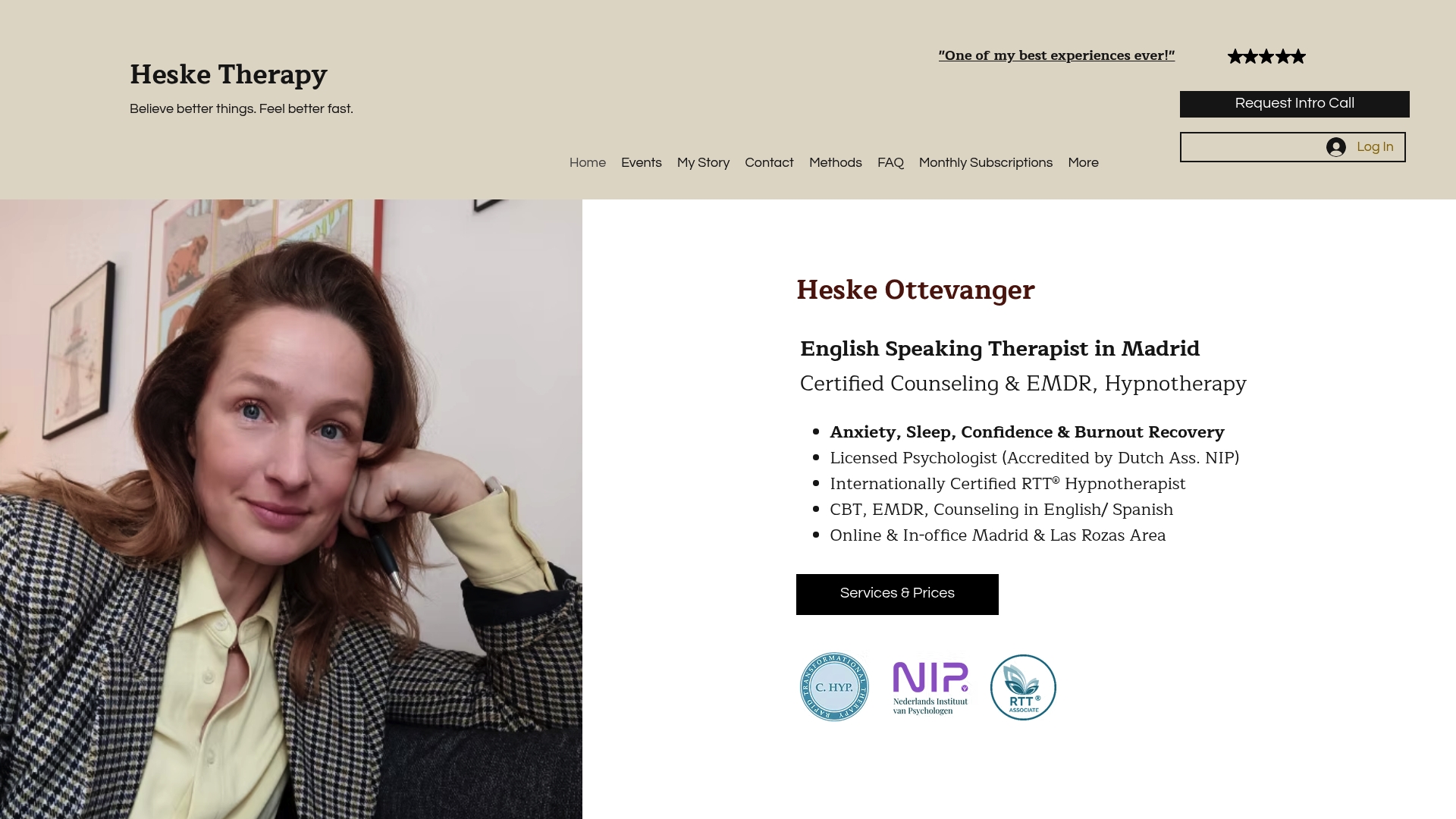
Begin your journey to rapid and lasting emotional healing by scheduling a free discovery call with Heske Therapy. Discover how our tailored integrative psychotherapy solutions can help you embrace life abroad with renewed strength and peace of mind. Visit Heske Therapy now to learn more and get started.
Frequently Asked Questions
What types of psychotherapy are effective for expats facing anxiety?
Cognitive Behavioral Therapy (CBT), Eye Movement Desensitization and Reprocessing (EMDR), and Rapid Transformational Therapy (RTT) are effective forms of psychotherapy for expats dealing with anxiety. Consider exploring these methods to find one that resonates with your specific emotional needs.
How can I determine which therapy approach is best for my anxiety as an expat?
Evaluate your specific challenges, such as cultural adaptation or past trauma. Consider starting with a therapist who offers an initial consultation to discuss which approach may suit you best.
How quickly can I expect to see results from psychotherapy as an expat?
Many therapeutic approaches can lead to noticeable improvements within a few sessions, especially EMDR and RTT, which may provide relief more rapidly. Aim for consistent attendance to maximize progress, ideally within 30–60 days.
What should I do if I feel uncomfortable during therapy sessions?
Address your discomfort openly with your therapist, as this is essential for effective therapy. Sharing your feelings can help adjust the therapeutic process to ensure you feel safe and supported.
Can I combine different types of therapy for better results as an expat?
Yes, integrative therapy allows for the combination of various therapeutic methods tailored to your unique needs. Discuss with your therapist to create a flexible plan that utilizes multiple approaches for optimal emotional healing.
Is online therapy a good option for expats?
Absolutely! Online therapy offers convenient access to mental health support, especially when geographical barriers make in-person visits challenging. Explore virtual therapy options to maintain consistent care while living abroad.
Recommended
Comments